How to read hallmarks and maker's marks
Silver hallmarks, porcelain backstamps, factory marks — how dealers date and attribute a piece.
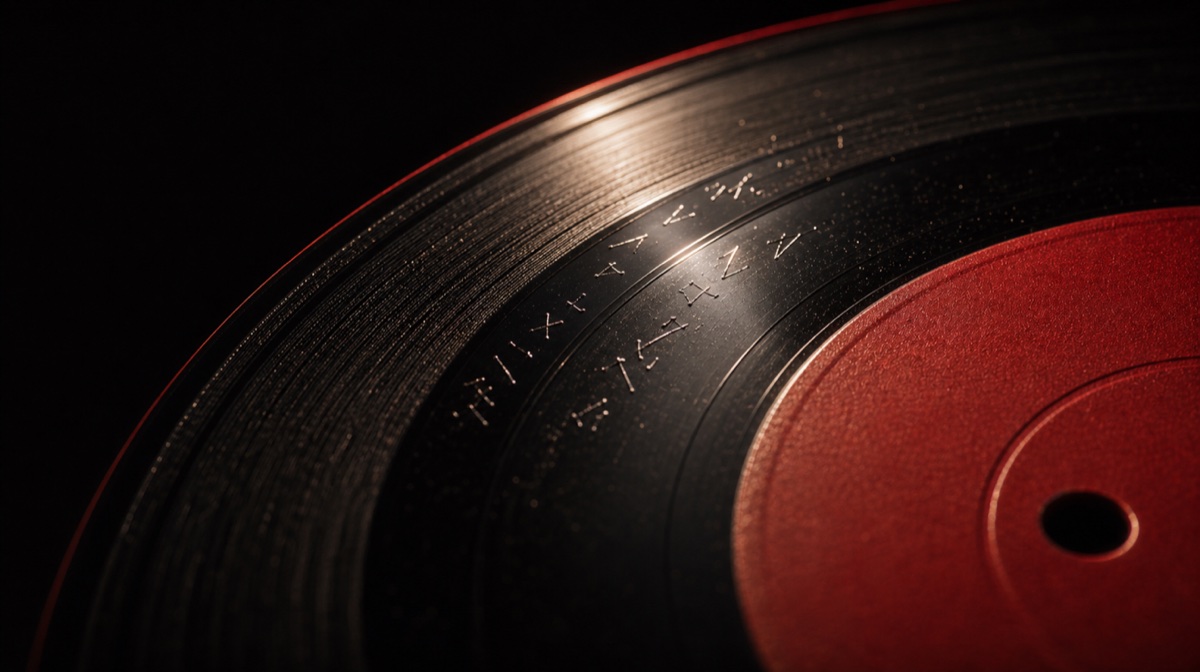
Marks are the closest thing antiques have to a signature. A line of tiny silver punches, a backstamp under a teacup, a stencil inside a clock case — these are how a piece tells you who made it, where, and roughly when. Learning to read them is the fastest way to move from guessing to attributing. It's also where most beginners get fooled, because the most desirable marks are the most copied. Here's how dealers actually work.
Where to look first
Marks were placed where they'd survive a lifetime of handling, so that's where you check:
- Silver and metalware — the base, the underside of the rim, beneath handles and spouts, sometimes on detachable lids (which should match the body).
- Porcelain and pottery — the backstamp on the base, printed, painted, or impressed into the clay.
- Furniture — drawer bottoms and sides, the underside of tops, back panels, and inside frames.
- Clocks and instruments — the movement itself, the dial, the backplate, and sometimes the case interior.
Use raking light and a loupe. Worn or shallow marks often only reveal themselves at an angle.
What the marks tell you
Different traditions encode different things, but most marks carry some combination of:
- Maker or workshop — the core attribution, often the name that drives value.
- Place of origin — a town or assay office, which narrows region and sometimes regulation.
- Material or standard — purity marks on precious metals, body type on ceramics.
- Date information — date letters, registration marks, or pattern numbers that pin a window of years.
Read them as a set. A maker's mark plus a date letter plus a standard mark together tell a coherent story; one element alone tells you very little.
Dating from the mark
Many systems changed their marks over time — a workshop revised its logo, an assay office cycled its date letters, a factory updated its backstamp every few decades. That evolution is a gift: if you can place which version of a mark is present, you can often bracket the piece to a span of years. This is why two pieces by the same maker can be dated decades apart purely from a small change in how the name is stamped.
Why a famous mark is not a guarantee
Here's the trap. Sought-after marks are the ones forgers add, because a name can multiply a price. A genuine mark on a fake object is common; so is a fake mark on a genuine-looking object. Treat the mark as one vote, not a verdict, and cross-check it against:
- The form — does the shape match the era the mark claims?
- The material and making — do the construction methods fit that period?
- Wear — does the mark show age consistent with the rest of the piece, or does it look too crisp, or oddly worn, against its surroundings?
- Weight and feel — does it have the heft and balance you'd expect?
A mark that contradicts the object is a warning, not a reassurance. The most confident attributions come from the mark and the object agreeing.
Putting it to work
When AntiqLens reads a piece and proposes an era and maker with a confidence indicator, it's doing the same triangulation — form, material, and any visible marks — at speed. Confirm the match when it lines up with what you see, and correct it by hand when it doesn't. The valuation that follows is a market reference range estimate — not an appraisal or investment advice — and a confirmed, well-supported attribution is what makes that range meaningful.
FAQ
Where do I find the marks on a piece?
On silver, check the base, rim, and underside of handles; on porcelain and pottery, look at the backstamp on the base; on furniture and clocks, check the movement, drawer bottoms, and back panels. Marks are deliberately placed where they survive handling.
Does a famous mark guarantee authenticity?
No. Sought-after marks are the most frequently faked. Read the mark alongside the form, material, wear, and weight — a mark that doesn't match the object's age or making method is a warning, not a guarantee.