Five signs your antique is worth real money
Rarity, maker, age, originality, condition — the five things that set a piece's price.
Everyone has heard the story: a dusty object from a relative's attic turns out to be worth a small fortune. It happens — but rarely for the reason people assume. Age alone is cheap. What actually moves a piece from "old thing" to "worth real money" is a stack of factors lining up at once. Here are the five that matter most, in the order dealers weigh them.
1. Rarity
Scarcity is the engine under almost every high price. A piece can be beautiful, well-made, and old, but if the market is flooded with near-identical examples, the price stays modest. Rarity comes in flavors: limited production, a short manufacturing window, an unusual variant, a form that rarely survived intact, or a regional style that didn't travel far. The fewer good examples competing for the same buyers, the higher the ceiling.
But rarity only pays when someone *wants* the rare thing. A rare object nobody collects is just unusual, not valuable.
2. Maker and attribution
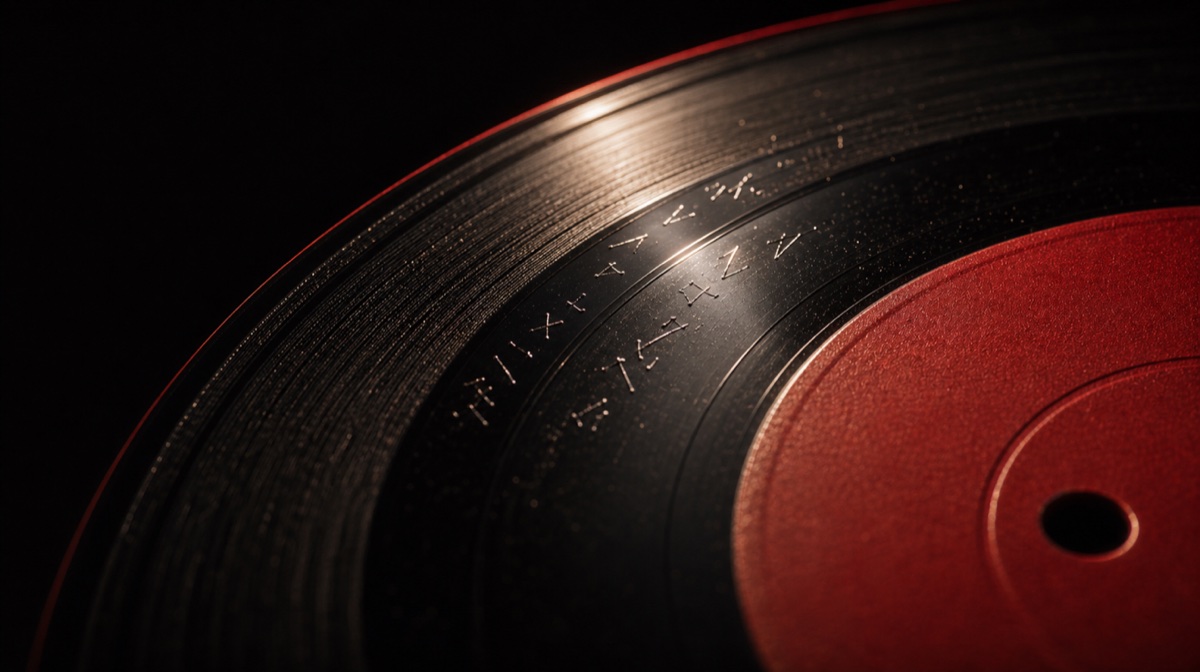
A confident attribution to a respected workshop, factory, or region can multiply a price several times over an anonymous equivalent. This is why hallmarks and maker's marks matter so much — they convert a guess into a name. The same form, made by a sought-after maker versus an unknown one, lives in two completely different price brackets.
This is also why marks are the most faked element on any antique. Read the mark together with the object, never on its own.
3. Age — but in context
Age sets the stage rather than the price. A genuinely early piece from a desirable period carries weight, but "old" by itself is common. A mass-produced object from a hundred years ago can stay inexpensive forever, while a scarcer piece half its age commands a premium. Age matters most when it lines up with a period collectors actively chase and with construction methods that confirm it.
4. Originality
The market pays for *what left the workshop*. Original finish, original parts, original hardware, and where they exist, original box, paperwork, or fittings — each one supports the price. Replacements, refinishing, and undisclosed repairs pull it down, even when the work is competent. Collectors would rather have an honest, worn original than a tidied-up hybrid.
5. Condition
Condition is the final multiplier. Once rarity, maker, age, and originality are settled, condition decides where in the range a specific example lands. The same desirable piece can swing several-fold between honest Excellent and damaged Fair. This is the factor you can assess yourself most directly — and the one that moves the reference range the moment you adjust it.
How the five stack up
Think of value as a chain, not a checklist. A piece needs rarity *and* demand *and* a believable attribution *and* honest condition to reach the top of its range. Knock out any link — common form, faked mark, heavy damage, missing originality — and the whole thing drops. That's why a hundred-year-old, mass-produced piece in rough shape stays cheap, while a scarce, well-attributed, honest example of the same age sells strongly.
When AntiqLens returns a market reference range estimate — not an appraisal or investment advice — it's reflecting these factors as best the catalog can read them from a scan. Use it to learn which of your pieces have the signals stacked in their favor, then look closer at those.
FAQ
Does an old object always sell high?
Not on its own. Age is common; price comes from rarity and a desirable maker meeting demand in honest condition. A hundred-year-old piece that was mass-produced — or in rough shape — often stays inexpensive.