Reproduction or original? How to tell the difference
Wear patterns, tool marks, materials, weight — the tells that separate a period piece from a later copy.
Reproductions aren't always dishonest — plenty are sold openly as decorative copies. The problem is the gap between a fifty-dollar later copy and a period original that might be worth a hundred times more. Telling them apart is a skill built on a handful of reliable tells. None is foolproof alone, but together they're hard to fake. Here's how to read a piece the way a wary dealer does.
The single most reliable tell: wear that makes sense
Genuine age leaves wear *exactly where use would put it* — and nowhere else. On a chair, the front stretcher is scuffed from feet, the arms are worn where hands rest, the back legs drag-worn from being pushed back. On a vessel, the base shows ring wear from being set down, the rim shows handling. Crucially, protected areas stay crisp.
Fakers struggle with this. The giveaways:
- Uniform, all-over distressing — real wear is concentrated and uneven; manufactured aging tends to be evenly spread.
- Wear in impossible places — abrasion on a surface nobody could ever touch in normal use.
- Too-clean contact points — a piece claimed to be old where the spots that *should* be worn are pristine.
If the wear tells a coherent story of a real life, that's the strongest evidence you'll get from looking alone.
Tool marks and making methods
How a thing was made dates it. Older pieces carry the marks of older processes — irregular, hand-finished surfaces; slight asymmetry; joinery and seams consistent with period workshops. Later copies often show the regularity of more modern production: perfectly even surfaces, machine-crisp repetition, or finishing that's *too* clean for the age claimed.
Turn the piece over and look at the parts nobody bothered to disguise — undersides, interiors, the backs of panels. That's where making methods are most honest.
Materials and weight
Materials carry their own signatures:
- Weight and density — many originals feel heavier or differently balanced than modern copies in the same form. A piece that feels suspiciously light or oddly uniform deserves a second look.
- Surface and color — genuine aged materials develop depth and unevenness that fresh materials and quick artificial aging can't quite replicate.
- Anachronistic materials — a material or fastening that didn't exist when the piece supposedly was made is a hard stop.
Marks in context
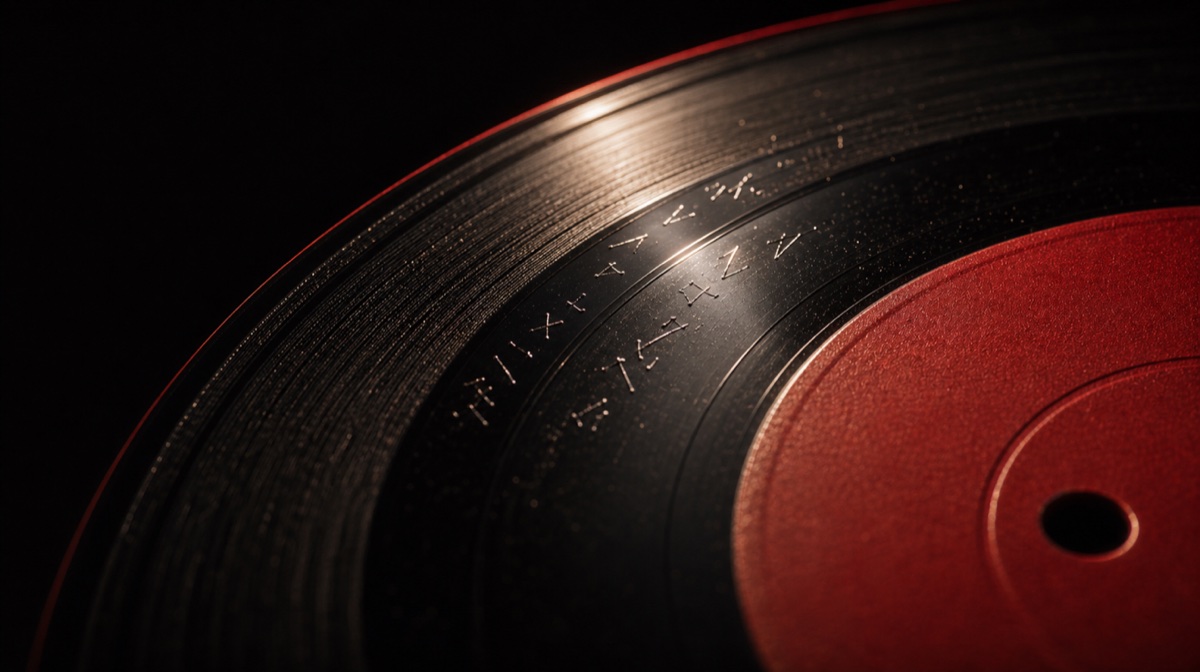
A mark on a reproduction is common, so never let a mark close the case. Read it against everything else: a sought-after mark on an object whose wear, materials, and making all say "later copy" is a warning, not a guarantee. Marks that look too crisp against a worn surface — or worn in a way the rest of the piece isn't — are classic added-mark tells.
A quick working checklist
- Does the wear match how the piece would actually be used?
- Are protected areas crisp while contact points are worn?
- Do the making methods and tool marks fit the claimed age?
- Does the weight and feel match expectation?
- Do the materials and any fastenings belong to the period?
- Does any mark agree with everything else, or contradict it?
When AntiqLens proposes an era and maker with a confidence indicator, it's reading form and material the same way — but your eyes on wear and weight are the final check. Confirm the match when the tells line up, correct it when they don't. The resulting valuation is a market reference range estimate — not an appraisal or investment advice — and it's only as good as the authenticity behind it.
FAQ
What's the single most reliable tell?
Wear that makes sense. Genuine age leaves wear exactly where hands, feet, and use would touch — and leaves untouched areas alone. Uniform, all-over distressing, or wear in places nobody would ever touch, points to a manufactured 'antique' look.